One of the most common questions people have before starting orthodontic treatment is a simple one: how long is this going to take? There’s no single answer that works for everyone. Treatment times range from under a year to well over two years, depending on a combination of biological, behavioral, and case-specific factors. Knowing what drives that timeline can help you set realistic expectations and feel more prepared for the process ahead.
At Lazzara Orthodontics, Dr. John Lazzara and Dr. Amy Poblenz take a personalized approach to every treatment plan, which means every patient’s timeline is shaped by their specific needs. Both doctors are Diplomates of the American Board of Orthodontics, making Lazzara Orthodontics one of the only practices in northeast Florida with two board-certified orthodontists. That level of training allows us to evaluate each case with precision, accounting for the many variables that influence how quickly your teeth respond to treatment.
The Severity of Your Case
The foundation of your treatment timeline is the complexity of what needs to be corrected. Every orthodontic treatment plan begins with a thorough clinical evaluation, because no two cases present the same challenges. Minor crowding or small gaps are generally resolved faster than more involved issues like significant bite problems, jaw misalignment, or severe crowding. Conditions such as overbites, underbites, and crossbites require not just tooth movement but often changes to the relationship between the upper and lower jaws, which adds time to treatment.
The starting point of your teeth matters just as much as the end goal. More distance to travel means more time needed to get there.
Your Age and Bone Density
Age plays a meaningful role in how quickly orthodontic treatment progresses. In younger patients, the jaw and surrounding bone tissue are still developing, which makes teeth easier to move and allows for a faster response to the forces applied by braces or aligners. Teenagers often see treatment progress more quickly for this reason alone.
Adult patients can absolutely achieve excellent results, but denser, fully formed bone tissue typically means teeth move more gradually. This doesn’t make adult treatment less effective; it just means the timeline may be somewhat longer. For adults considering their options, clear aligners and traditional braces both remain strong options, depending on the complexity of the case.
The Type of Appliance You Choose
The type of orthodontic appliance you use has a direct impact on treatment duration. Research published on PubMed confirms that treatment modality is among the variables contributing meaningfully to overall treatment time. Metal braces are often the most efficient option for complex cases involving significant rotation, vertical movement, or bite correction, providing consistent force across a broad range of case types.
Invisalign and Clarity clear aligners tend to work well for mild to moderate cases and may offer comparable timelines when worn as directed. Aligners need to be worn 18 to 20 hours per day for treatment to move forward effectively, so compliance is central to staying on schedule.
Patient Cooperation and Compliance
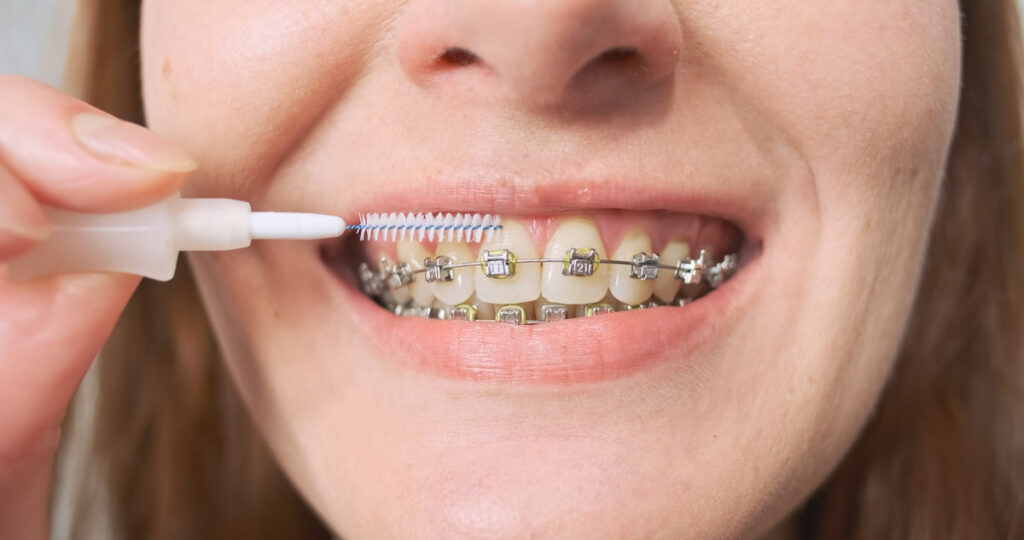
One of the most controllable factors in treatment duration is how consistently you follow your orthodontist’s instructions. This includes wearing rubber bands or elastics as prescribed, attending scheduled adjustment appointments, and maintaining good oral hygiene throughout treatment.
Missed appointments, broken brackets, and poor elastic wear can each add weeks or even months to treatment. The following habits help keep things on track:
- Wearing elastics or additional appliances exactly as prescribed
- Attending all scheduled adjustment appointments
- Brushing and flossing thoroughly to avoid hygiene-related delays
- Avoiding foods likely to break or damage brackets
Staying consistent with these habits gives your treatment the best chance of finishing on time, and even small choices made daily add up over the course of treatment.
Multi-Phase Treatment
Some patients, particularly younger children, benefit from a two-phase approach to orthodontic care. Phase one typically addresses jaw development or spacing concerns early, while phase two completes the alignment once all permanent teeth have come in. This approach extends the overall timeline on the calendar but often reduces the scope of what phase two needs to accomplish.
When treatment requires multiple phases, the total time reflects a broader correction strategy rather than a problem with how things are progressing.
Start Your Treatment at Lazzara Orthodontics
Treatment timelines vary because people do, and what matters most is that your plan is built around your specific bite, your goals, and the factors unique to you. Dr. Lazzara completed a 3-year orthodontic residency program at St. Louis University, where he earned his Master of Science degree. Dr. Poblenz completed a craniofacial research fellowship and earned her Master of Science degree and specialty certification in Orthodontics and Dentofacial Orthopedics from Nova Southeastern University in 2012. Together, they bring deep clinical training and a commitment to individualized care to every case.
Whether you’re exploring options for yourself or your child, we’re here to walk you through what treatment may look like and how long it may take based on your specific needs. We work with most major insurance providers and process benefits for PPO plans to help maximize your savings. Contact us today to schedule your consultation.