Crooked teeth are extremely common, and in most cases, they are the result of a mix of genetic and environmental factors rather than anything you did wrong. Teeth can shift, crowd, or come in at odd angles due to jaw size, tooth size, habits developed in early childhood, or changes that occur naturally over time. The good news is that orthodontic treatment options today are more effective and more accessible than ever before.
At Lazzara Orthodontics, we work with patients of all ages who are ready to address misalignment and get a smile they feel confident about. Our two board-certified orthodontists, Dr. John Lazzara and Dr. Amy Poblenz, are Diplomates of the American Board of Orthodontics, making us one of the only practices in northeast Florida with two board-certified doctors on staff. So, if you are a child, a teen, or an adult, we offer proven solutions to fit your needs.
What Makes Teeth Grow in Crooked?
There is rarely one single reason teeth come in misaligned. Most of the time, it is a combination of factors that add up over time.
Genetics and Jaw Development
The size and shape of your jaw are largely inherited. If your jaw is too small to accommodate all of your teeth, crowding occurs, and teeth are pushed out of alignment. On the flip side, a jaw too large for the number of teeth present can cause gaps and spacing issues. The American Association of Orthodontists identifies crowded, misplaced, or blocked-out teeth as one of the most common reasons patients seek orthodontic care, and heredity is a primary driver of this.
Habits and Early Childhood Behaviors
Certain habits in early childhood can shape how the teeth and jaw develop. Prolonged thumb sucking, extended pacifier use past age 2 or 3, and bottle feeding beyond the toddler years can all put pressure on developing teeth and shift them over time. Mouth breathing, often related to chronic nasal congestion or enlarged tonsils, can also affect jaw development and lead to narrowing of the upper arch.
How Crooked Teeth Affect More Than Your Smile
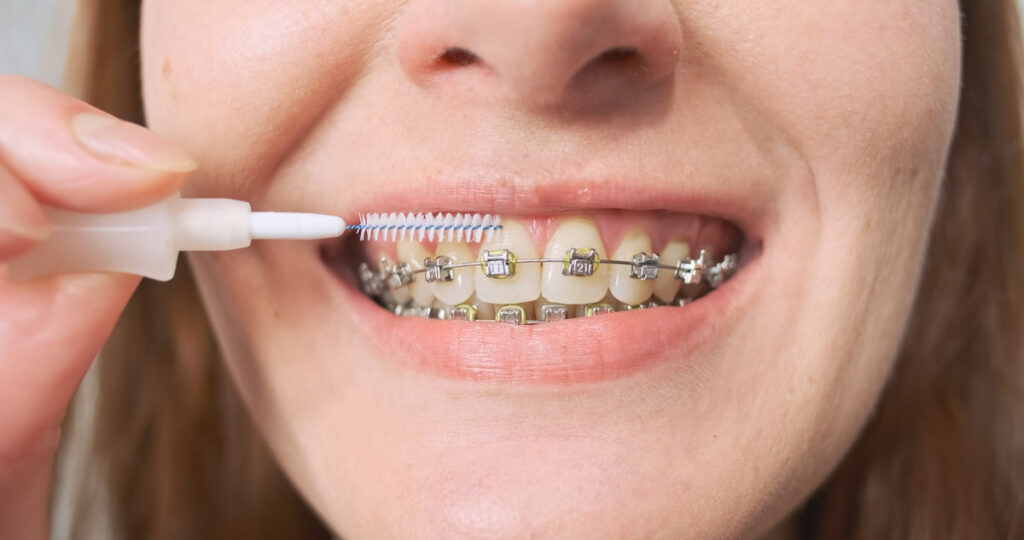
Many people focus on the cosmetic side of misaligned teeth, but the effects extend beyond appearance. Braces for crowded teeth are not just about aesthetics. When teeth are crowded or overlapping, they become harder to clean, which raises the risk of cavities and gum disease. A misaligned bite can also place uneven pressure on teeth, leading to excessive wear over time.
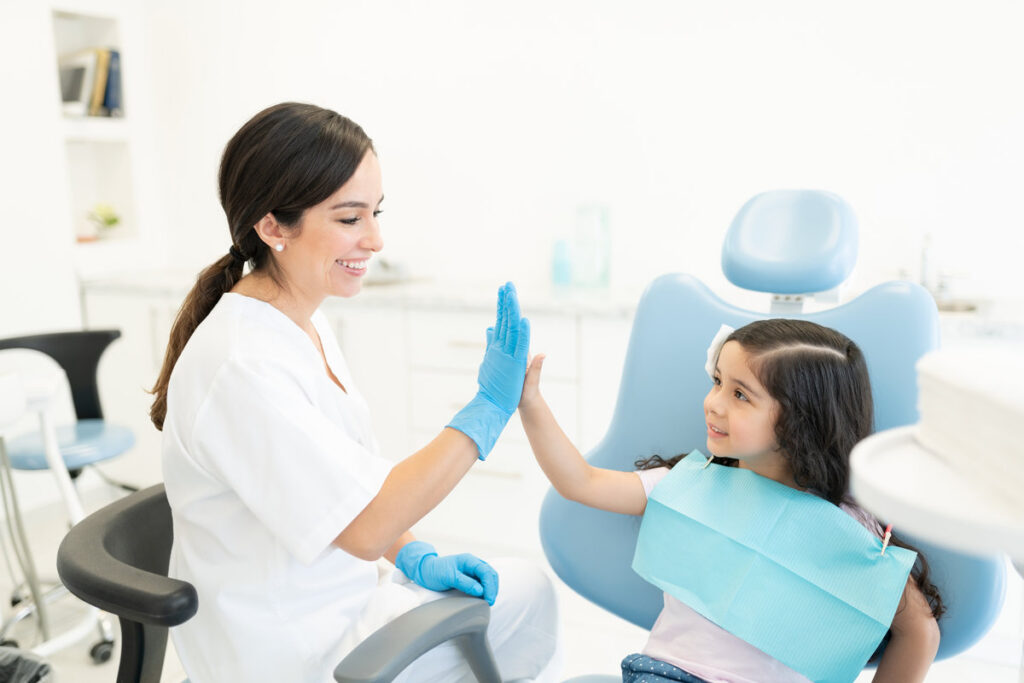
Difficulty chewing, speech issues, and jaw discomfort are all possible side effects of an untreated bite problem. For children, especially, early evaluation allows orthodontists to catch these issues before they become more difficult to treat.
How Orthodontic Treatment Corrects Misalignment
Orthodontists have a range of tools available to address crooked teeth, from traditional braces to clear aligner systems, and the right choice depends on the type and degree of misalignment.
Here are some of the most common treatment options we offer:
- Traditional metal braces: The most widely used option, they use brackets and wires to apply consistent, controlled pressure to move teeth into the proper position gradually.
- Clear aligners: Invisalign and Clarity clear aligners offer a more discreet path to straighter teeth. These custom-fit trays are worn 18 to 20 hours per day and swapped out every one to two weeks as treatment progresses.
- Early intervention: For younger children, pediatric orthodontic care can address jaw development issues before all the permanent teeth come in, potentially simplifying or preventing more significant treatment later.
The right treatment plan starts with a thorough evaluation to understand what is driving the misalignment and what realistic outcomes are.
Start Your Path to a Straighter Smile at Lazzara Orthodontics
If crooked teeth have been on your mind, the most productive next step is a consultation with a board-certified orthodontist. At Lazzara Orthodontics, Dr. Lazzara and Dr. Amy Poblenz bring a combined depth of training to every case. Dr. Lazzara completed his orthodontic residency at St. Louis University, earning his Master of Science degree. At the same time, Dr. Poblenz holds her Master of Science and specialty certification in Orthodontics and Dentofacial Orthopedics from Nova Southeastern University, where she also completed a craniofacial research fellowship. Both doctors completed a 3-year orthodontic residency program after dental school.
We work with most major insurance providers to maximize your benefits and minimize out-of-pocket costs. Beyond our in-network providers, we work with various union plans and specialty insurance programs and process benefits for all PPO providers. If you are exploring Invisalign or traditional braces, our team is ready to help you find the right fit. Schedule a consultation today and take the first step toward a smile you love.