Athletes with braces face unique challenges on the field, court, or track. Metal brackets and wires need extra protection during physical activity, but orthodontic treatment doesn’t mean sitting out the season. With proper precautions, teenage athletes can continue competing in their favorite sports while straightening their teeth.
Lazzara Orthodontics helps active teens maintain their oral health throughout orthodontic treatment. Dr. John Lazzara and Dr. Amy Poblenz, both Diplomates of the American Board of Orthodontics, provide guidance to keep athletes safe and smiling through every game, match, and practice.
Why Sports and Braces Require Special Attention
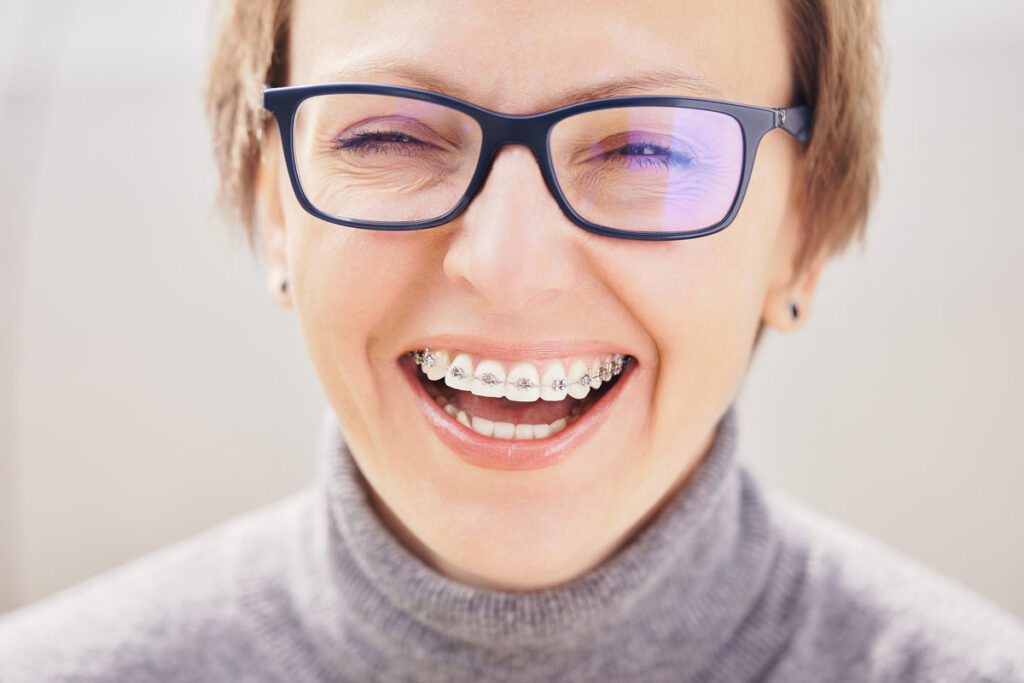
Braces create additional points of contact in your mouth. Brackets bonded to teeth and archwires connecting them can cut the inside of your cheeks and lips during impact. A ball to the face, an elbow during a rebound, or a collision on the soccer field can cause brackets to break or wires to poke into soft tissue. These injuries hurt more than similar impacts to an unbraced mouth.
Sports That Pose the Greatest Risk
Different athletic activities carry varying levels of risk for orthodontic injuries. Understanding which sports require extra caution helps you take appropriate protective measures.
Contact sports pose the highest risk. Football, basketball, soccer, wrestling, and hockey all involve frequent physical contact. Athletes in these sports need maximum protection.
Non-contact sports like baseball, softball, and volleyball still carry risk from flying balls or accidental collisions. Even individual sports like gymnastics, skateboarding, and martial arts put braces at risk during falls or strikes.
The Essential Protection: Athletic Mouthguards
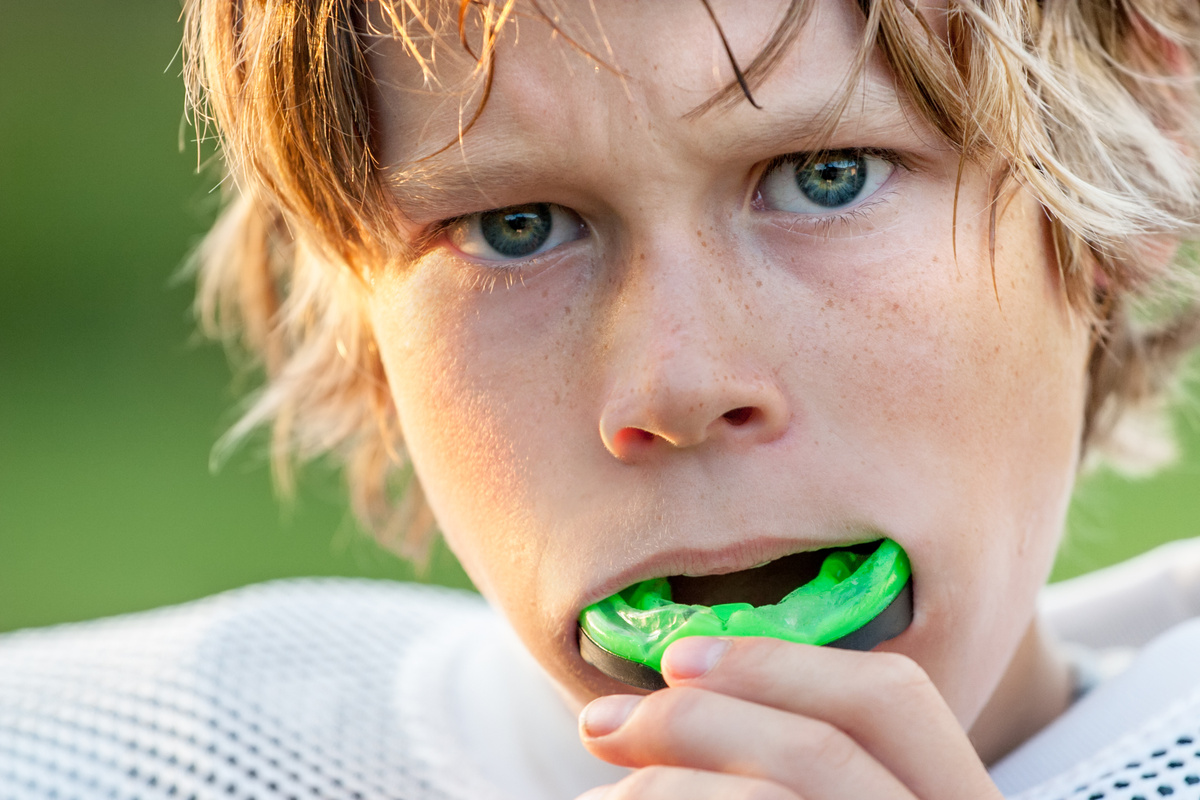
A properly fitted mouthguard provides critical protection for athletes with braces. Standard mouthguards sold at sporting goods stores don’t work well with orthodontic appliances.
Types of Mouthguards for Braces
Finding the right mouthguard makes all the difference in comfort and protection. Several options exist for athletes undergoing orthodontic treatment.
Orthodontic mouthguards feature a special design. They have extra space to fit over brackets and wires while still cushioning teeth from impact. Some mouthguards use moldable materials that conform to both the braces and the unique shape of your mouth. Others feature a boil-and-bite design that allows custom fitting at home.
Custom mouthguards from your orthodontist offer the best protection. We take impressions of your teeth with braces and create a mouthguard specifically for your mouth. These guards provide superior fit, comfort, and safety compared to store-bought options. They also accommodate changes as your teeth move throughout treatment.
When to Wear Your Mouthguard
Athletes should wear their mouthguards during all practices and games. Don’t wait for competition to protect your smile. Most injuries happen during practice when players may feel less cautious. The American Dental Association recommends wearing mouthguards for any sport that risks impact to the face, including both contact and non-contact activities.
Choosing Between Braces and Clear Aligners for Athletes
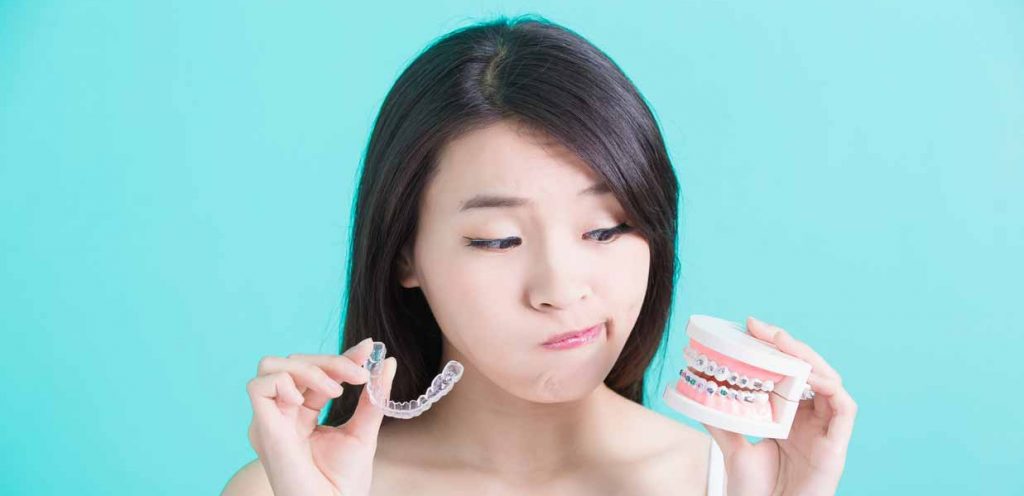
Some teenage athletes wonder if clear aligners might work better for their lifestyle. Invisalign for teens and 3M Clarity Aligners offer removable options that athletes can take out during games.
Advantages of Clear Aligners for Athletes
Clear aligners eliminate the risk of brackets cutting the inside of the mouth during impact. Athletes can remove aligners before games and practices, wear their regular sports mouthguard, and replace aligners after competition. This flexibility appeals to many active teenagers.
Clear aligners work well for motivated teens who will wear them 18 to 20 hours daily. The removable design also makes eating and cleaning easier after practice sessions.
When Traditional Braces Work Better
Traditional braces remain the better choice for complex cases. Metal braces and ceramic braces provide consistent force that works 24 hours a day.
They don’t depend on patient compliance for success. Athletes with severe crowding, significant bite issues, or specific jaw alignment needs often achieve better results with traditional brackets and wires.
Handling Orthodontic Emergencies During Sports
Despite precautions, orthodontic emergencies can happen during athletic activities. Knowing how to respond quickly can prevent further damage and reduce discomfort.
Dealing with Broken Brackets and Poking Wires
A broken bracket doesn’t constitute a true emergency, but it does require attention. If a bracket breaks free from the tooth, remove any loose pieces from your mouth to prevent swallowing them. You can use orthodontic wax to secure a bracket that’s still attached to the wire but poking your cheek.
A poking wire needs immediate temporary care. Push the wire away from the sensitive area with a pencil eraser. Cover the end with orthodontic wax. If the wire broke and won’t stay in place, clip it with clean nail clippers. Always call our office after handling any orthodontic issue so we can schedule a repair appointment.
When to Seek Immediate Care
Injuries to teeth or gums during sports need prompt evaluation. If a tooth becomes loose or is pushed out of position, contact us immediately. We may need to see you the same day to assess damage and adjust your treatment plan if necessary.
Playing Smart Throughout Treatment
Athletes can take simple steps to reduce their risk of orthodontic injuries. Making protective habits part of your routine helps keep both your smile and your treatment on track.
Daily Habits That Protect Your Braces
Small changes to your athletic routine can make a big difference in preventing orthodontic emergencies. These practical strategies work for athletes in any sport.
- Always wear your mouthguard: Keep it on during all physical activity, including practices and warm-ups, not just official games.
- Pack orthodontic wax: Store some in your sports bag for quick fixes to poking wires before, during, or after competition.
- Avoid risky foods before games: Skip hard, sticky, or crunchy snacks before athletic activities, as they can break brackets and increase the risk of injury.
- Stay hydrated: Drinking plenty of water helps rinse away food particles and bacteria that accumulate around brackets.
- Keep scheduled appointments: Regular orthodontic visits allow us to catch potential problems before they become emergencies.
These habits become second nature quickly. Athletes who follow these guidelines experience fewer interruptions to both their orthodontic treatment and their sports participation.
Water also helps prevent dry mouth, which can make life with braces less comfortable. We check for loose brackets, bent wires, and other issues that could cause trouble during sports at your routine appointments.
Protecting Your Smile at Lazzara Orthodontics
Athletes deserve orthodontic care that fits their active lifestyle. Our team provides custom mouthguards, emergency care, and treatment options designed for teens who refuse to sit on the sidelines. Both Dr. Lazzara and Dr. Poblenz completed years of additional training beyond dental school, giving them advanced knowledge in protecting smiles during sports seasons.
Our Jacksonville Beach and Nocatee locations serve athletes from Jacksonville Beach, Neptune Beach, Atlantic Beach, and surrounding areas. Ready to start orthodontic treatment without giving up your sport? Contact us to schedule your consultation and learn how we keep teenage athletes smiling through every season.