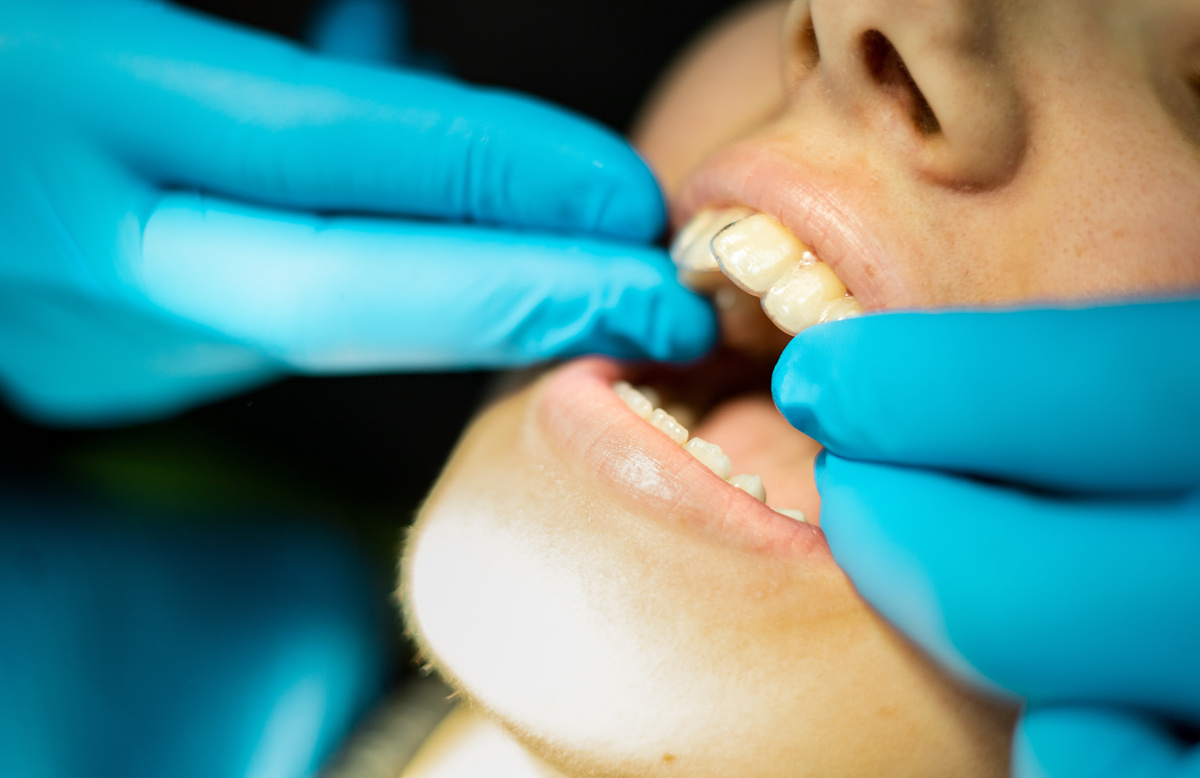
A crossbite occurs when your upper teeth sit inside your lower teeth instead of outside them during biting. This misalignment can affect a single tooth or an entire row, creating functional problems that extend beyond appearance. Without treatment, crossbites can lead to uneven tooth wear, jaw pain, and difficulty chewing or speaking properly.
Finding an orthodontist who understands the unique challenges of correcting crossbites makes all the difference in your treatment outcome. At Lazzara Orthodontics, Dr. John Lazzara and Dr. Amy Poblenz bring decades of combined expertise to every smile transformation. Both doctors completed a 3 year orthodontic residency program and maintain active memberships in the American Association of Orthodontists, ensuring you receive evidence-based care tailored to your specific needs.
What Causes a Crossbite?
Understanding the root causes of crossbites helps explain why early intervention often produces the best results. Crossbites develop from several factors, and identifying the specific cause guides treatment planning.
Genetics plays a significant role in jaw development and tooth positioning. If your parents or grandparents had crossbites, you face a higher likelihood of developing one yourself. Other contributing factors include:
- Prolonged thumb sucking
- Extended pacifier use beyond age three
- Mouth breathing due to chronic allergies or enlarged tonsils
- Delayed loss of primary teeth that affects permanent tooth eruption patterns
According to the American Association of Orthodontists, crossbites are a common orthodontic condition treated in growing patients. The condition can worsen over time if left untreated, particularly during growth spurts when jaw development accelerates.
How Do You Fix a Crossbite?
Correcting a crossbite requires a customized approach based on the patient’s age, the severity of the misalignment, and whether the condition affects the front teeth (anterior crossbite) or the back teeth (posterior crossbite). Several proven treatment methods can effectively address crossbites at different life stages.
Treatment Options for Children
Early intervention during childhood offers the advantage of working with still-developing bones and teeth. Orthodontic treatment during this phase typically produces faster, more stable results.
Palatal expanders represent the gold standard for treating posterior crossbites in growing children. This appliance gradually widens the upper jaw by applying gentle pressure to the roof of the mouth. Treatment with a palatal expander typically lasts several months. Following expansion, patients often need braces to fine-tune tooth positioning and ensure proper bite alignment.
Treatment Options for Teens and Adults
Adolescents and adults with crossbites have multiple effective treatment pathways. Braces for teens remain highly effective, using brackets and wires to gradually shift teeth into proper alignment. Treatment duration varies from 12 to 24 months, depending on severity.
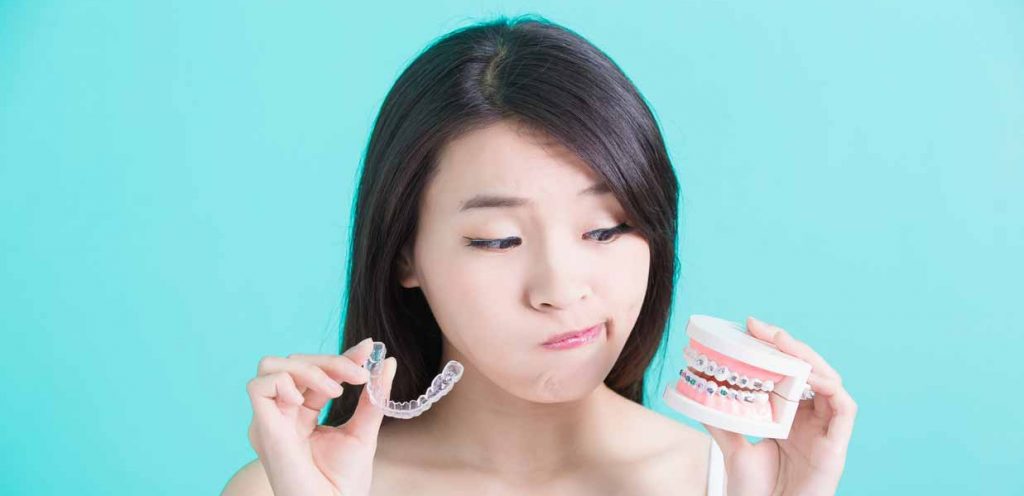
Invisalign treatment and Clairty clear aligners offer a discreet alternative for many crossbite cases. These clear aligners work well for mild to moderate crossbites, particularly anterior crossbites. The removable nature of Invisalign allows you to maintain normal eating habits and oral hygiene routines throughout treatment.
For severe crossbites involving significant jaw discrepancies, orthodontic treatment may need to be combined with oral surgery. This approach corrects the underlying skeletal imbalance, creating a stable foundation for tooth alignment. Your orthodontist will evaluate your situation and recommend the most appropriate treatment path.
What Happens If You Don’t Treat a Crossbite?
Leaving a crossbite untreated can lead to a cascade of dental and health problems that worsen with age. Uneven tooth wear represents one of the most common complications. When teeth don’t meet properly, certain teeth experience excessive grinding forces while others barely touch. This imbalance leads to premature enamel erosion and a higher risk of cavities.
Additional complications from untreated crossbites include:
- Jaw joint problems, causing clicking sounds, chronic headaches, and facial pain
- Gum recession that exposes tooth roots and increases decay risk
- Difficulty chewing that affects nutrition and limits food choices
- Speech problems that interfere with proper pronunciation
The longer a crossbite remains untreated, the more difficult and expensive the correction becomes, making early intervention the most practical approach.
Schedule Your Crossbite Consultation at Lazzara Orthodontics
Correcting a crossbite improves more than your smile. It protects your long-term oral health, prevents painful complications, and restores proper function to your bite. Whether you’re seeking treatment for yourself or your child, early intervention produces the most efficient results and prevents the need for more invasive procedures later.
Dr. Lazzara and Dr. Poblenz offer comprehensive crossbite treatment using the latest orthodontic technology and techniques. From traditional metal braces to Invisalign clear aligners for adults, our practice provides personalized solutions that fit your lifestyle and budget. Our convenient Jacksonville Beach location makes it easy to fit appointments into your busy schedule. Take the first step toward a healthier bite by completing a contact form to schedule your consultation.